Browns Withdraw Draft Pick Trade Proposal After Coach's Critique
Cleveland Browns Withdraw Proposal on Future Draft Pick Trades
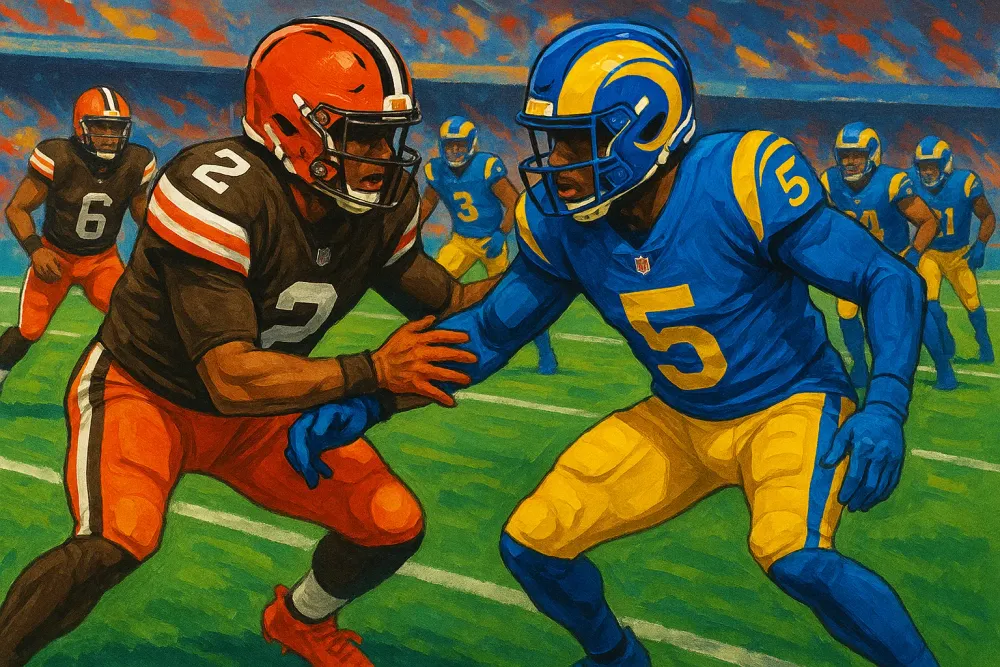
The Cleveland Browns have officially retracted their proposal that sought to allow NFL teams to trade draft picks up to five years into the future. This decision comes in the wake of substantial criticism from Los Angeles Rams head coach Sean McVay, who claimed that the proposal had ‘zero percent chance’ of passing during the annual NFL league meeting taking place in Phoenix this week.
Details of the Proposal
Initially, the Browns' proposal aimed to broaden the flexibility of teams regarding draft picks. Currently, NFL teams can trade draft picks only up to three years in the future. The proposed change would have granted organizations the ability to plan farther ahead by allowing trades that could span up to five years. This shift was seen by the Browns' management as a strategic way to enhance team competitiveness and build for the long term.
McVay Speaks Out
During an interview on Up & Adams, McVay was rather vocal about his views on the proposal's viability. He remarked on its dismal prospects for approval, emphasizing the challenges and strategic implications it would pose for the league. McVay acknowledged the effort put forth by Browns general manager Andrew Berry, stating, “I respect the courage for [Berry] to be able to have a very sound reasoning of what's behind it.” However, he quickly followed up with a stark prediction: “If there's one thing you can bet Vegas odds on, there's no chance that thing's getting through.”
Competition Committee’s Stance
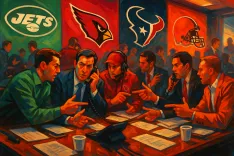
For a proposed rule change to be enacted, it requires a substantial majority of support among the NFL's team owners, specifically at least 24 votes out of the 32 teams. McVay’s outright rejection of the Cleveland proposal aligns with the sentiments of the Competition Committee, which reportedly voted 11-0 against the idea. This strong opposition from the committee indicates a significant consensus among knowledgeable league insiders who evaluate the implications of such rule changes.
The Strategic Implications
While the idea of extending the trading window for draft picks may seem beneficial for teams eager to build a robust future roster, it raises several concerns. Critics argue that such a change might exacerbate competitive imbalances. With the potential to undertake trades so far in advance, it could lead to teams accumulating excessive capital in the form of draft picks, which could disadvantage smaller-market teams and disrupt the competitive balance the league has sought to maintain for decades.
Moving Forward
With the Browns withdrawing the proposal, the dialogue surrounding it ceases, at least for this league meeting. McVay, who is also a member of the Competition Committee, would have had to cast a vote against the proposal had it remained on the table. His clear stance against it indicates a widespread reluctance to embrace such sweeping changes within the league. McVay concluded, “I’m not backing that,” thus solidifying his position ahead of what many consider crucial discussions within the NFL.
Conclusion
The Browns' decision to withdraw their proposal not only reflects the challenges of enacting new regulations in a deeply traditional league but also illustrates the often contentious nature of collaborative governance among the NFL team owners. As the league continues to evolve, the focus will remain on finding a balance between competitiveness and fairness—a goal that continues to shape the future of the NFL.