The 2026 MLB season has been nothing short of a nightmare for the American League (AL), drawing attention for all the wrong reasons. As we approach the middle of the season, the struggles of AL teams are starkly evident, with significant implications for playoff aspirations and team dynamics.
AL's Grim Statistics
As of now, only one AL team boasts a top-10 winning percentage, while the remaining nine spots are filled by National League (NL) teams. The stark contrast is further exemplified by the AL's underwhelming .468 winning percentage, which, if sustained, could mark the worst season in the history of Major League Baseball (MLB). To put this in perspective, the previous worst was the NL's .489 in 2006, when only six out of 16 teams had winning records.
The Unexplained Decline
The current struggles of the American League are baffling, especially considering that many teams that were expected to perform well are faltering. Unlike teams like the Chicago White Sox, who, although disappointing, could be justified if they had catastrophic performances, many clubs that looked promising at the beginning of the season have taken unexpected nosedives.
A recent table detailing the playoff odds since Opening Day indicates that five of the seven biggest negative swings in playoff probabilities belong to AL teams. This trend reveals a pervasive disappointment that stretches across various franchises, leading to an inquiry into how this season could devolve into one so bleak.
Buy or Sell: Prognosis for the Struggling Teams
As the league assesses its current landscape, we evaluate whether these teams are truly as doomed as they seem. Let’s analyze some key franchises:
- Seattle Mariners: Sell – The Mariners seem primarily hindered by underwhelming batting performances. Key players like Cal Raleigh and Julio Rodríguez are poised for a rebound, suggesting potential for recovery. Their current pitching staff boasts an impressive ERA ranking, which may allow them to turn things around.
- Houston Astros: Buy – The Astros are in a tough spot. Injuries have wreaked havoc on their pitching, contributing to them allowing a league-high 150 runs so far. Their potent offense might not be enough to mask their significant pitching woes.
- Toronto Blue Jays: Buy – As a member of the toughest division in baseball, the AL East, the Blue Jays are struggling with ongoing injuries that impact their successes. With the season nearly a quarter gone, their struggles may not dissipate soon.
- Boston Red Sox: Sell – While their pitching has proven erratic, they have the potential to bounce back as their key players regain form. It’s unlikely that Garrett Crochet will maintain a 7.88 ERA, suggesting improvements are on the horizon.
- Kansas City Royals: Buy – The Royals face an uphill battle with an unreliable bullpen and a plethora of injuries. Their current metrics paint a grim future unless significant changes occur.
The NL's Ascendancy
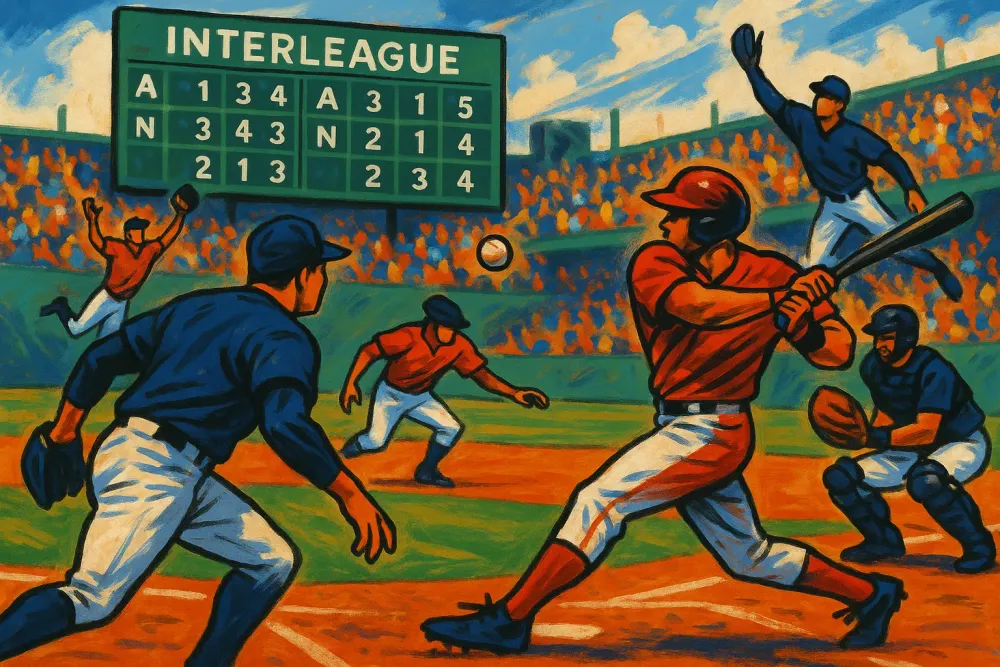
Meanwhile, the National League has emerged victorious, reflecting a stark contrast to the AL's plight. With an impressive .583 winning percentage in interleague play, NL teams are dominating in ways unseen historically. The Los Angeles Dodgers lead the pack, eyeing a historic third consecutive World Series title, a feat that could reshape perceptions across MLB.
Among other standout teams, the Atlanta Braves, San Diego Padres, and Milwaukee Brewers also illustrate the NL's depth, consistently outperforming their AL counterparts. Notably, the entire NL Central division boasts winning records, a testament to the concerted efforts made by franchises within the division to enhance their competitiveness.
The Race Against Time for the AL
The AL now finds itself in a precarious position, needing to recalibrate and redefine its approach. The Dodgers' success emphasizes the vital role of maintaining excellence, a standard that the AL desperately needs its franchises to regain. The pressure lies on teams like the Mariners and Red Sox to rectify early mistakes before they cement their position in the standings.
As the 2026 season wears on, the question remains: can the AL emerge from this unprecedented slump? It may take a considerable effort from all teams to transform their slow starts into winning seasons. Without major shifts, the current gap may remain throughout the season, leading to a historic disparity between the leagues.
As fans eagerly await the rest of the season, the future of the American League now hinges on whether its teams can regroup, ignite performance, and alter their trajectory before it's too late.