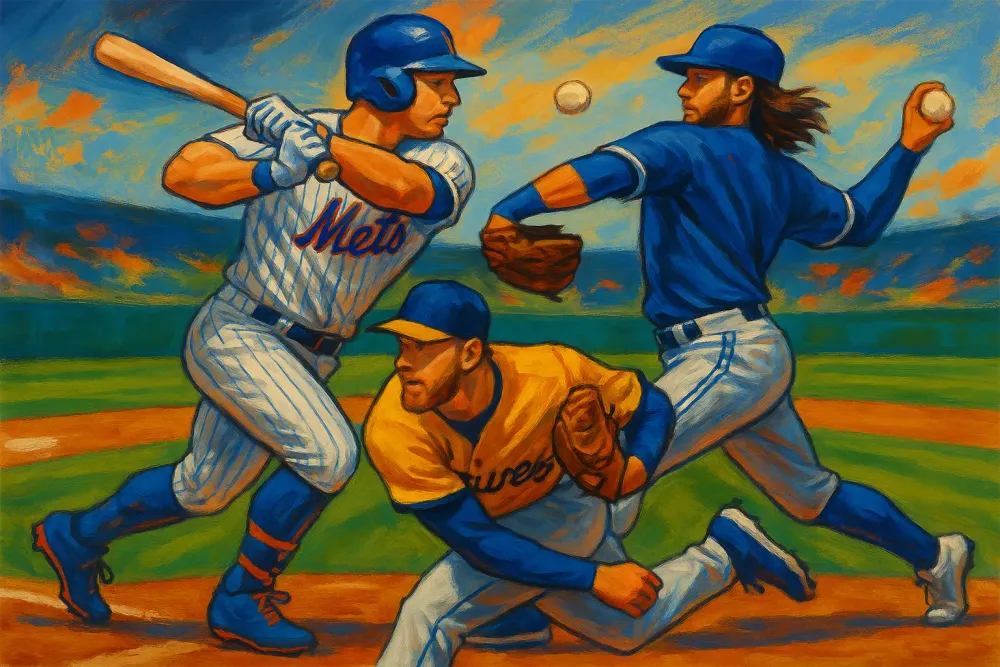
The 2016 MLB Draft represents a unique moment in baseball history, one that is often revisited for its profound impact on the franchises involved. Despite not producing a single All-Star from the first round at the time, this draft class has proven to be a treasure trove of talent, with names like Pete Alonso, Will Smith, and Bo Bichette shining brightly on the offensive side, while pitchers such as Corbin Burnes, Zac Gallen, and Shane Bieber have established themselves as aces on the mound. In a hypothetical redraft, we dissect how teams might adjust their selections if given a second chance, considering roster mechanics and organizational fit.
Philadelphia Phillies: A New Direction with Pete Alonso
Originally selecting outfielder Mickey Moniak as the first overall pick, the Philadelphia Phillies could have transformed their lineup with the inclusion of power hitter Pete Alonso, who was drafted 64th overall. Alonso’s breakout in 2019, where he set a rookie record with 53 home runs, demonstrates what could have been a dynamic partnership between him and fellow slugger Bryce Harper. Despite Moniak finding some success with the Angels and Rockies, his time with Philadelphia featured a disappointing .129 batting average. Imagine Alonso contributing to a potent lineup featuring himself and Harper—a scenario that could have radically shifted the Phillies’ offensive trajectory.
Corbin Burnes: A Push for the Cincinnati Reds
Following Moniak, the Cincinnati Reds took infielder Nick Senzel at No. 2, but with Corbin Burnes available at 111th overall, the Reds could reconsider. At the time, Senzel was seen as a potential everyday player; however, his subsequent performance in Cincinnati was underwhelming, showing a just .239 batting average and a negative WAR. Burnes, on the other hand, has emerged as one of the premier pitchers in MLB, winning the NL Cy Young Award in 2021 and consistently recording low ERAs. If the Reds had chosen Burnes, they would have not only secured a frontline starter but also addressed key pitching needs that plague the team’s history.
Bo Bichette's Value for the Atlanta Braves
The Atlanta Braves initially selected high school pitcher Ian Anderson at pick No. 3, but envisioning All-Star infielder Bo Bichette in their lineup instead could have altered franchise fortunes. Bichette has an impressive .290 batting average and a career OPS+ over 118, factors that greatly bolster any team’s offensive potential. With the Braves having struggled at shortstop since losing Dansby Swanson, integrating a dynamic hitter like Bichette into their plans presents a compelling case for a redraft.
Shane Bieber: A Game-Changer for the Chicago White Sox
While the White Sox picked outfielder Corey Ray at No. 4, pivoting to select Shane Bieber could have turned their pitching around. A two-time All-Star and Cy Young Award winner, Bieber has shown flashes of brilliance, peaking in 2020 with an incredible 1.63 ERA. The White Sox have often been criticized for their pitching depth, and having Bieber in the rotation would be a transformative addition.
Will Smith and the Catchers Conundrum
The Colorado Rockies originally selected Riley Pint as their pick at No. 8, but including catcher Will Smith, drafted at No. 32, could address a longstanding issue at the backstop position. Smith's consistent offensive contributions—as evidenced by his averages of 28 home runs and 97 RBIs per 162 games—highlight his value, especially given the Rockies’ struggles to find a reliable catcher over the years.
Zac Gallen's Impact on the Arizona Diamondbacks
Originally selecting pitcher Cole Ragans at pick No. 30, the Arizona Diamondbacks would benefit immensely from reevaluating this decision in favor of Zac Gallen. Having established himself as a key component in the Diamondbacks’ rotation with multiple top-10 Cy Young finishes, Gallen's talent is undeniable. A robust 3.34 ERA indicates his potential to anchor the pitching staff and elevate organizational success moving forward.
Lost Opportunities: The Importance of Drafting for Fit
Throughout this redraft analysis, it has become evident that while talent is essential in the draft process, assessing organizational fit and specific team needs is critical to maximizing a franchise's potential. This exercise serves as a reminder that the art of drafting requires a careful balance of scouting elite talent and making strategic choices that align with current and future team dynamics.
Final Thoughts on the 2016 Draft
The 2016 MLB Draft provided an intriguing landscape for major league teams. It unveiled not just the importance of individual player talents like Alonso, Burnes, and Bieber but also the implications of wise decision-making within team frameworks. As teams continuously search for paths to optimize their rosters, reflecting on past drafts can serve as both a guide and a learning opportunity. Though this redraft is hypothetical, it underlines that success in baseball is often dictated not just by talent, but by how that talent fits into the grander scheme of team success.