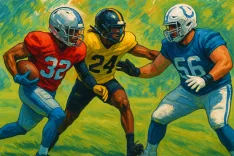
In a significant legal development for college athletics, several athletes, including those currently signed with NFL teams, have been granted temporary restraining orders by a Louisiana court that allows them to return to collegiate sports. This ruling, reported by ESPN on Wednesday, has wide-ranging implications for both college and professional football.
NCAA Eligibility and Legal Challenges
Among the athletes involved are former Oregon State running back Anthony Hankerson, who is with the Seattle Seahawks, former Florida and LSU pass rusher Jack Pyburn from the Tampa Bay Buccaneers, and ex-Mississippi standouts Dae'Quan Wright and Wydett Williams currently signed with the Cleveland Browns and Arizona Cardinals, respectively. These players are part of a broader lawsuit that cites a total of 33 athletes across various sports seeking to regain a fifth year of eligibility.
The legal battles facing the NCAA have been part of a series of recent setbacks concerning its eligibility rules. Tim Buckley, the NCAA's senior vice president of external affairs, expressed concern in a statement about the rulings coming from courts around the country. According to Buckley, the decisions have destabilized college sports and threaten the integrity of the collegiate sports experience for athletes who have yet to compete.
The Implications of the Ruling
As the NFL continues to conduct its training camps, teams are faced with the looming deadline of final roster cuts, set for August 30, when clubs must finalize their squads to 53 players. For those who might not make the cut, the prospect of returning to college football offers a potential safety net. This scenario has raised various questions regarding the balance between collegiate and professional athletics.
With many athletes seeking a return to college, the NCAA could find itself in a precarious situation, particularly if appeals against this ruling fail. The implications extend beyond just the players impacted; younger athletes wishing to secure a place in college sports may find openings limited by the influx of former professionals looking to use college as a fallback option.
Recent Federal Court Rulings
This ruling in Louisiana follows a pivotal federal court decision in Denver on July 31, which determined that high school athletes from the class of 2022 who have exhausted their fourth season of college eligibility this spring are entitled to a fifth season of eligibility during the upcoming academic year. This federal ruling marked a radical shift in understanding eligibility timelines, coming concurrently with new NCAA regulations introduced earlier in the summer.
The new NCAA guidelines announced earlier this year allow athletes five years to complete five seasons of competition, a policy that officially takes effect for those enrolling in the fall of 2027. The Colorado ruling, however, does not comply with the waiting period typically enforced, thereby giving immediate traction to athletes seeking another chance.
The Road Ahead
While the current wave of lawsuits and rulings may favor the returning athletes, it is evident that tensions between the NCAA and the legal system are intensifying. The NCAA has indicated it will continue to fight these decisions, arguing that they undermine the essence of college athletics.
As the landscape of college sports evolves amid these legal disputes, the likelihood of more athletes looking to test their options in college is rising. Legal interpretations appear to vary widely, and athletes are now more empowered to challenge existing eligibility norms, bringing forth a critical juncture for the NCAA.
In conclusion, the unfolding situation raises crucial discussions about the future of college sports and eligibility. The intersection of professional aspirations and collegiate opportunities will continue to shape narratives within the sporting community, as legal precedents and regulations adapt to an increasingly interconnected world of athletics.